Healthcare in Germany: What Every Newcomer Should Know This Flu Season
HealthFor many newcomers, the German healthcare system is both impressive and a little confusing. Health insurance, doctor appointments, pharmacies, vaccination schedules, sick notes, and healthcare directives can all feel unfamiliar during your first months in the country.

The good news? Once you understand how the system works, you'll discover one of Europe's strongest healthcare systems, with a strong focus on prevention, family wellbeing, and accessible care.
So before the next cold, flu, or last-minute doctor's appointment catches you by surprise, here are the key things every newcomer should know about healthcare in Germany:
1. Health Insurance in Germany: Your Priority for Peace of Mind
Health insurance is mandatory in Germany, and securing your coverage is one of the most important first steps when settling into your new life.
Most employees join Germany's statutory public health insurance system (Gesetzliche Krankenversicherung or GKV), while high earners and self-employed professionals may opt for private insurance (Private Krankenversicherung or PKV).
When comparing providers, consider:
🔹English-language customer support🔹Digital services and mobile apps
🔹Preventive care programs
🔹Comprehensive family coverage options
🔹Bonus and wellness programs
🔹Additional services for international residents
For many growing families, public insurance offers wonderful peace of mind, as non-working spouses and dependent children are often covered at no additional cost under eligible conditions.
2. Flu Season, Vaccinations & The Famous German Impfpass
Autumn is prime time for routine health checkups in Germany. As flu season gets underway, it's a great moment to review your family's immunization records and schedule any beneficial winter boosters. Seasonal flu and COVID-19 vaccinations are typically available through:
🔹Family doctors (Hausärzte)
🔹Paediatricians
🔹Specialist practices
🔹Occupational health providers through employers
🔹Participating pharmacies, depending on local regulations and provider availability
Don't Forget Your Impfpass
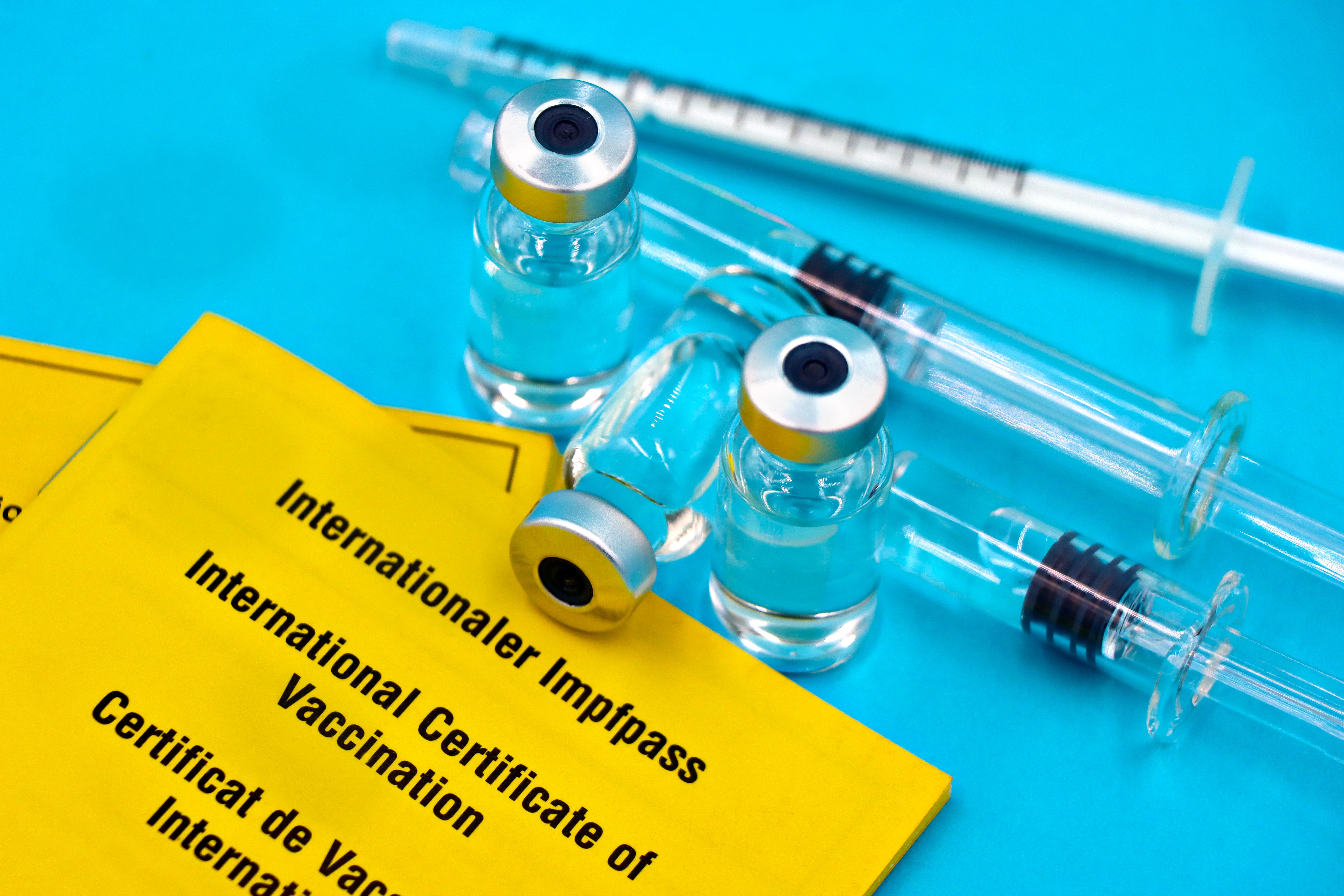
This handy little yellow booklet will quickly become one of your most valuable medical items in Germany!
The Impfpass (vaccination passport) is Germany's official medical history record for immunizations. Whenever you visit a family doctor (Hausarzt) or pediatrician, keeping your Impfpass in your bag is a wonderful habit to build.
If you're moving to Germany:
🔹Bring any vaccination records from your home country
🔹Ask your doctor whether they can be transferred into a German Impfpass
🔹Keep your Impfpass safely stored with key family documents
Many expats are pleasantly surprised by how simple and organized this system is. Having a single physical record helps any new doctor quickly understand your health history and tailor their advice.
3. Following Official Vaccination Recommendations (STIKO & RKI)
National health guidelines in Germany are established by the respected Standing Committee on Vaccination (STIKO) at the Robert Koch Institute (RKI).
For the latest recommendations and vaccination schedules, visit the RKi website.
The RKI provides up-to-date guidance for:
🔹Infants, children & Adolescents
🔹Adults
🔹Pregnant women
🔹Influenza (flu)
🔹COVID-19
🔹Travel vaccinations
This resource is incredibly helpful for international families, as recommended schedules can vary slightly from your home country.
If you ever feel unsure whether your family's immunizations align with German guidelines, your local family doctor will be more than happy to review your records with you.
4. Germany's Strong Focus on Preventive Healthcare
One of the greatest strengths of the German healthcare system is its focus on prevention rather than simply treating illness.
For Children
Germany provides a supportive, structured milestone screening program for children known as U-Untersuchungen, designed to nurture your child's physical and emotional growth right from birth.
These appointments help track:
🔹Growth and physical development🔹Hearing and vision
🔹Language development
🔹General wellbeing
🔹Age-appropriate milestones
Attending these gentle checkups regularly ensures your child receives continuous, attentive support as they grow up in Germany.
For Adults
Adults can also take advantage of comprehensive routine checkups covered by health insurance, including:
🔹General health check-ups🔹Skin cancer screenings
🔹Cancer screening programs
🔹Dental examinations
🔹Vaccination reviews
🔹Pregnancy and prenatal care
This proactive, caring approach is one of the key reasons why German medical care achieves such high long-term health outcomes for residents.
5. Booking Doctor Appointments Easily with Doctolib
To make finding healthcare seamless, most expats rely on the popular digital app Doctolib.
The platform allows you to:
🔹Search for doctors by speciality🔹Book appointments online
🔹Receive automatic reminders
🔹Filter by language spoken
🔹Search for available appointments quickly
For international newcomers, Doctolib takes the stress out of making phone calls in a new language and helps you manage your family's healthcare schedule with ease.
6. Finding English-Speaking Doctors & Friendly Communities
While many doctors speak wonderful English, finding a practitioner you feel truly comfortable with often comes down to warm community recommendations.
Excellent resources include:
🔹International Facebook groups🔹Expat communities
🔹Parent networks
🔹Colleague recommendations
🔹Local WhatsApp groups
Connecting with local expat networks is a comforting way to find multilingual doctors who understand your cultural context and make you feel right at home.
7. Understanding Pharmacies and Medication in Germany

One unique detail newcomers quickly notice is how thoughtfully controlled medication sales are in Germany.
Instead of finding pain relievers or cold medicine on grocery shelves, remedies are exclusively dispensed through dedicated local pharmacies (Apotheken), recognizable by their illuminated red "A" sign.
There are two main categories of medicines:
🔹Prescription medicines (verschreibungspflichtig) require a prescription from a doctor.🔹Non-prescription medicines (rezeptfrei) can be purchased directly from a pharmacy without seeing a doctor.
Even when a medicine does not require a prescription, it often still must be purchased from a pharmacy rather than a general retailer.
German pharmacists (Apotheker) are exceptionally knowledgeable medical experts. If you have a minor winter bug, visiting your neighborhood pharmacy is often the fastest, friendliest way to receive personal guidance and relief.
You'll find that building a relationship with your local Apotheke makes managing everyday winter health easy and stress-free.
8. Understanding Sick Notes (Krankschreibung)
When flu season hits, knowing your rights and responsibilities at work will give you peace of mind to rest and recover.
If you are unwell, your doctor will issue an official sick note (Krankschreibung).
Today, Germany uses a modern digital sick note system (eAU), so your certificate is securely transmitted directly to your health insurance provider.
Why Are Sick Notes Required?
If you come from a country with informal sick leave policies, Germany's structured approach might feel detailed at first, but it is designed entirely to safeguard worker wellbeing.
A Krankschreibung serves several important purposes:
🔹It officially confirms that a doctor has determined you are unable to work.🔹It protects your right to continued salary payments while you are ill.
🔹It provides documentation for your employer and health insurance provider.
🔹It helps ensure employees take the time they need to recover instead of returning to work too early.
While company policies vary, many employers require notification as soon as possible when you are unable to work, and a doctor's certificate may be required after a certain number of days of absence.
However, you are still responsible for:
🔹Informing your employer that you are ill🔹Following your company's absence reporting process
🔹Providing any information required under company policy
Caring for a Sick Child (Kinderkrankentage)
Parents should also be aware of Kinderkrankentage.
In Germany, working parents are entitled to dedicated child sick days (Kinderkrankentage) with financial support from health insurance, allowing you to stay home and focus entirely on caring for your little ones when they are ill.
Knowing these family benefits are in place brings wonderful security as winter illnesses circulate
9. Convenient Digital E-Prescriptions (E-Rezept)
Germany is increasingly using electronic prescriptions (E-Rezept).
Instead of receiving a traditional paper prescription, your doctor may issue a digital prescription that can be:
🔹Accessed through your health insurance card🔹Retrieved through approved apps
🔹Filled directly at participating pharmacies
Simply presenting your health insurance card at your local pharmacy makes picking up required prescriptions smooth, simple, and paper-free.
10. Protecting Your Family with Healthcare Directives
An important part of establishing a secure life in Germany is putting essential healthcare directives in place. Preexisting documents in other countries will likely not be valid in Germany.
These documents are especially important if:
🔹You have children🔹You plan to stay long term
🔹You do not have close family nearby
🔹You own property or assets in Germany

Patientenverfügung (Advance Healthcare Directive)
Records your wishes regarding medical treatment if you become unable to make decisions yourself.
Vorsorgevollmacht (Power of Attorney)
Allows a trusted person to make decisions on your behalf.
Betreuungsverfügung
Specifies who should be appointed to support you if legal care arrangements become necessary.
Taking these steps gives international families complete confidence in their long-term protection.
Want to learn more? Join imHome's upcoming webinars to get friendly, step-by-step guidance on settling in Germany!
Healthcare Is More Than Insurance
Germany's healthcare system offers far more than medical treatment. It provides a comprehensive framework focused on prevention, family support, and long-term wellbeing.
For a smooth start, we recommend:
✅ Choosing the right health insurance
✅ Reviewing your vaccination status
✅ Following STIKO and RKI recommendations
✅ Booking appointments through Doctolib
✅ Finding trusted multilingual doctors
✅ Understanding Germany's pharmacy system
✅ Taking advantage of preventive check-ups
✅ Learning how sick notes and child sickness leave work
✅ Becoming familiar with e-prescriptions
✅ Preparing healthcare directives
At imHome, we regularly help individuals and families navigate these first healthcare decisions as part of their relocation journey, including health insurance guidance, local integration support, family services, language resources, and community connections.
Planning a move to Augsburg or another Bavarian city? Contact imHome to learn how we can support your relocation journey.